Amazon Ditches Loudoun County Data Center Plan for Housing and Arts Space
The tech giant is replacing four planned AI facilities with residential development and a $5 million housing contribution after intense local pressure.
By Tariq Mahmoud ·
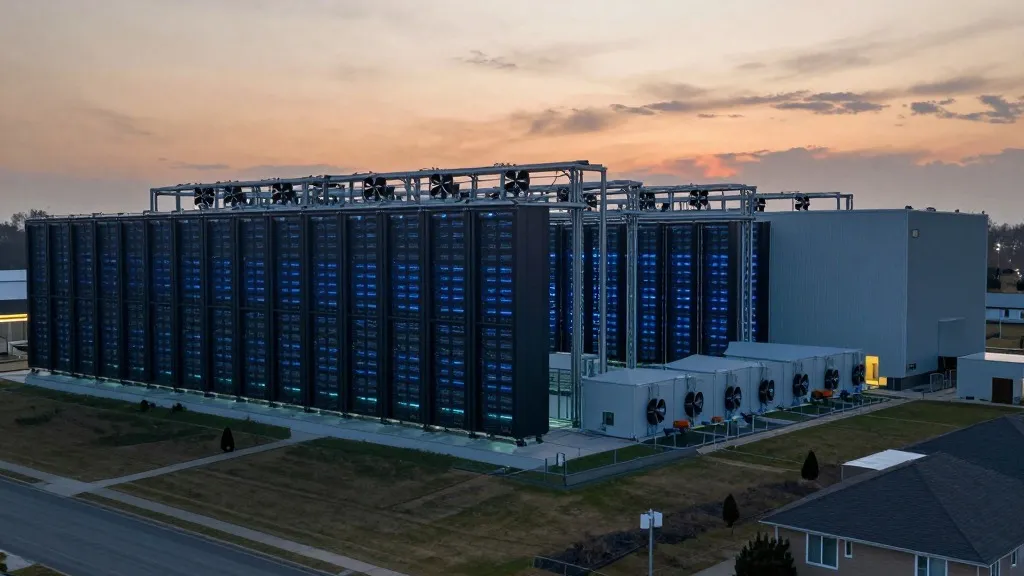
The fight over a massive tech project in Northern Virginia has ended, but not in the way engineers expected. Amazon has officially scrapped its plan to build four new data centers on a 122-acre site in Loudoun County. Instead of servers and cooling systems, the land will soon host homes, mixed-use buildings, and community spaces. This shift marks a significant retreat for one of the world’s largest cloud providers, forced to change course by a vocal local community.
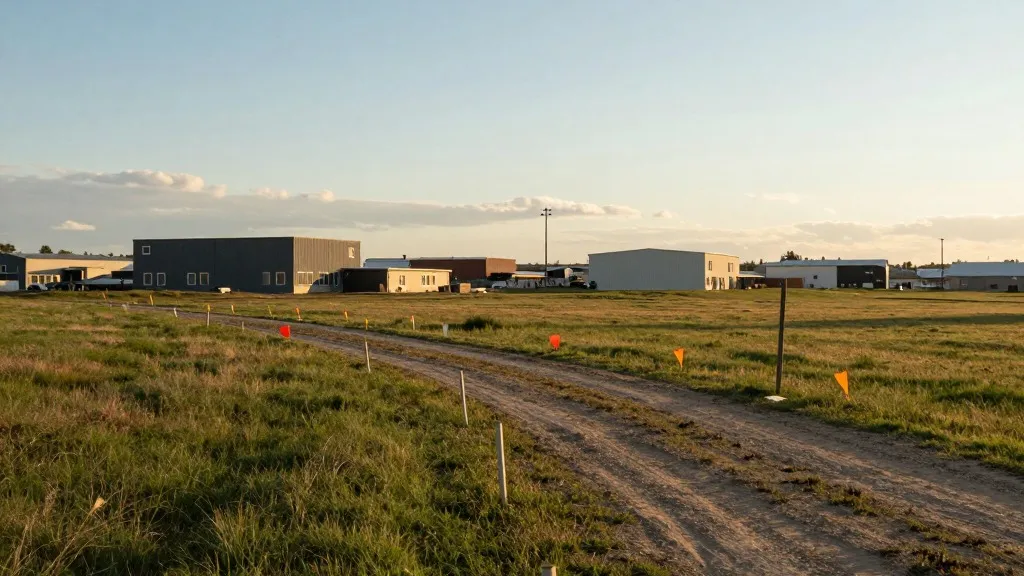
The financial and physical footprint of the new plan is substantial. The former George Washington University campus will be largely repurposed for residential and mixed-use development. Amazon is donating 25 acres of the property to Loudoun County. These specific acres are designated for a new community arts center and a recreational facility. Additionally, the company is contributing $5 million to the county’s housing fund. This money is intended to help build more affordable homes for working families in the area.
Loudoun County is known as "Data Center Alley." It holds the largest concentration of data centers on the planet. For years, this status was a point of economic pride, but recently it has become a source of tension. Residents have grown wary of the noise generated by these massive facilities. They are also concerned about the enormous amount of electricity required to keep them running. These factors have changed how the county views new construction projects.
Amazon first proposed the data center project in July of this year. The company moved quickly to secure the former university campus. However, the path to approval was not smooth. In September, Phyllis J. Randall, the chair of the Loudoun County Board of Supervisors, met with Amazon executives. During this meeting, county officials suggested that an alternative use for the land might be better received. The company listened, and the plans were adjusted accordingly.
Josh Weissman, Amazon’s vice president for data center development, explained the company’s reasoning. He stated that Amazon wanted to buy the land when the opportunity appeared. However, the company considered the county’s specific concerns about building data centers on that particular site. Weissman noted that while Amazon and the county had different views on the land’s legal development potential, they agreed that a shared vision was better than a lawsuit. He said, “While we see the property’s legal development potential differently than the County does, we concluded that the best outcome for all is to come together on a shared vision for this campus rather than engage in costly litigation.”
This local dispute reflects a national trend. The demand for data centers has surged due to the rise of artificial intelligence. These facilities require more space and power than ever before. This boom has led to friction with local communities. Residents are worried about spikes in electricity prices and the strain on local resources. In response, federal leaders have begun to act. President Donald Trump recently called for data center builders to pay local communities a dividend. He also proposed that these centers must generate their own electricity and sell any excess power back to the grid.
County officials are celebrating the outcome as a success of diplomacy. Phyllis J. Randall emphasized the value of communication in the final agreement. She stated, “By choosing dialogue over reflexive disagreement, Loudoun County and Amazon created an opportunity for the County.” Randall added that the deal provides new places for residents to gather, create, and play. Most importantly, she said, it will provide more attainable homes for working families.
The stakes extend beyond this single site. As AI demand grows, the pressure on local power grids and water supplies is intensifying. Some areas are facing water shortages and deforestation linked to data center expansion. This agreement in Loudoun County may serve as a model for how other regions handle similar proposals. It suggests that compromise, rather than construction, might be the future of tech expansion in crowded suburban areas.
Source: Tom's Hardware